Originally established by Sri Seshagiri Rao as Adarsh Papers and Allied Products, five decades of traditional Indian vat papermaking have evolved into India's premier agro-circular bio-paper mill. The banana plant gives its fruit only once, leaving behind 200 kilograms of succulent pseudo-stem per plant. Here is how our generational vat masters turn that forgotten biomass into the world's most resilient tree-free paper.
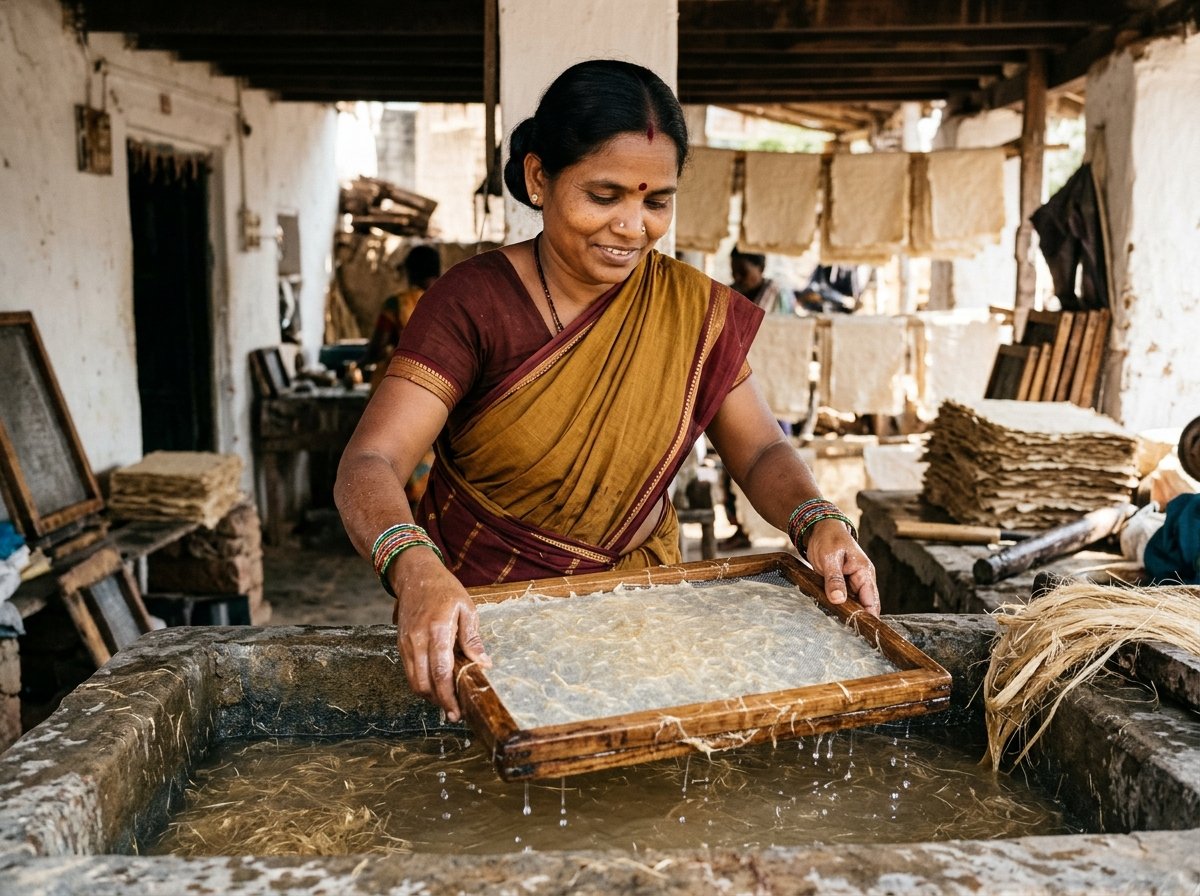
Each sheet individually pulled by hand in Palem Village
Official video by Adarsh Ecopaper demonstrating the natural artisanal pulping and moulding cycle.
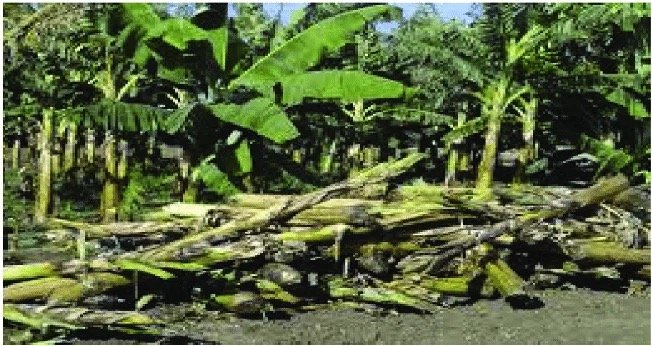
After the banana bunch is harvested, the parent tree dies back naturally. Farmers must clear the heavy trunks before planting new suckers. Typically, farmers dump these in canals or burn them in open pits, creating thick air pollution. Adarsh teams collect these trunks directly from farm gates, paying farmers cash on the spot.
Unlike wood mills that cook timber in caustic soda and sodium sulfide to break down lignin, banana stems have virtually zero woody lignin. We pass the leaf-sheaths through mechanical decorticators with blunt rolling teeth that squeeze out the sap and release shimmering, cream-colored natural fibers up to 4.5 mm long.
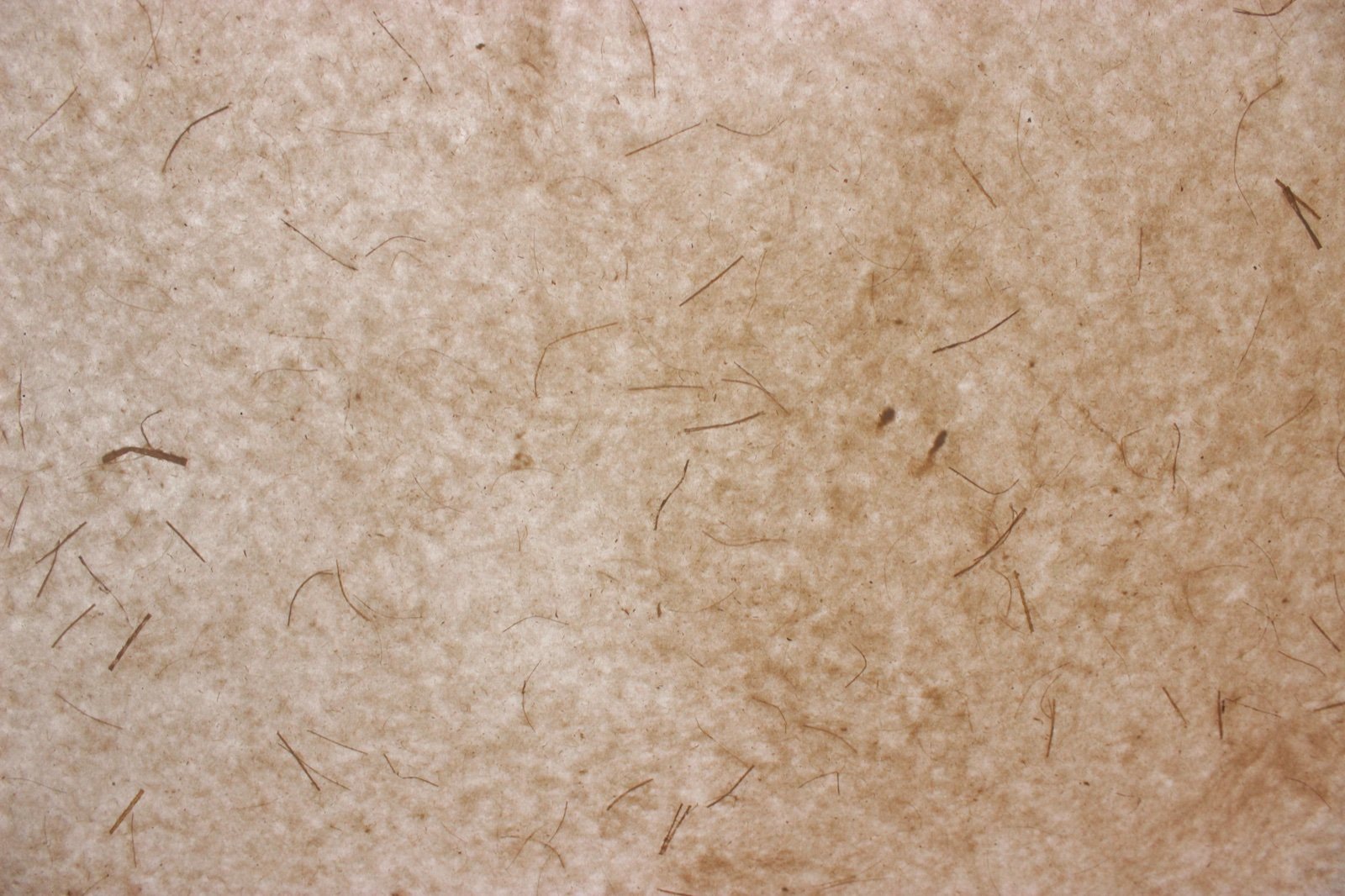
The extracted fibers are introduced into traditional cast-iron Hollander beaters. As heavy bronze roll fly-bars rotate against bed-plates, the fibers fibrillate and hydrate naturally without snapping. This mechanical action softens the fibers and allows them to form microscopic hydrogen bonds when suspended in water.
The beating slurry is transferred into stone dipping vats. An artisan immerses a two-piece wooden mould (a woven brass screen framed by a removable deckle) into the vat. Lifting the mould with a rhythmic 4-way shake creates an even criss-cross fiber weave. The water drains away through the screen, leaving a wet paper sheet with organic feathered edges.
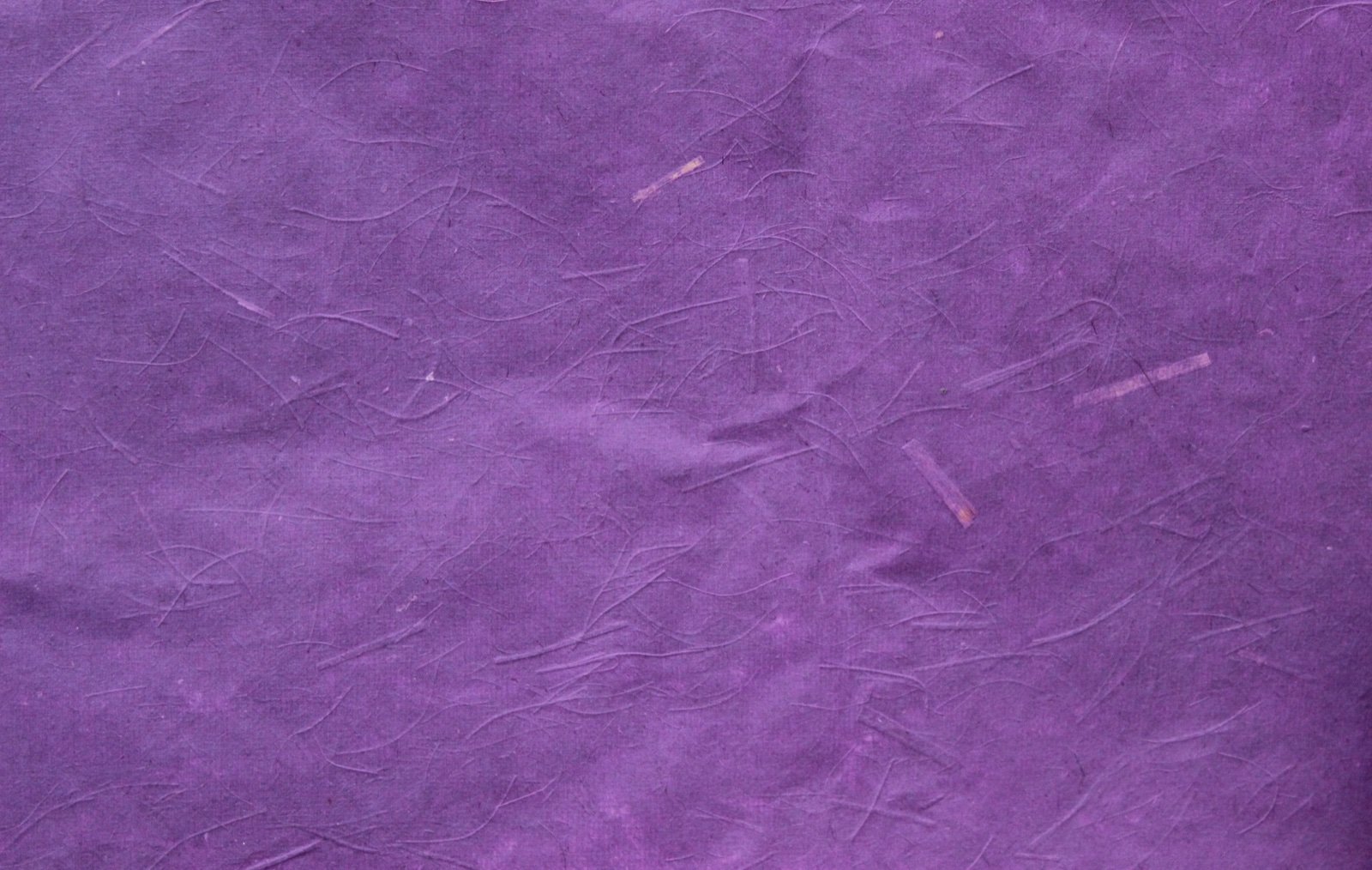
In our botanical vat collection, we introduce natural inclusions directly into the vat slurry. We upcycle fresh marigold garlands collected from temple ceremonies, aromatic dried lemongrass blades, roasted coffee silverskin, and viable non-GMO wildflower seeds that sprout when placed in garden soil.
Wet sheets are couched onto woven wool felts in alternating stacks and compressed under a 50-ton hydraulic press to extract moisture. The sheets are then sun-cured in our solar loft, and passed through heavy calender rollers to smooth the fibers for precision penmanship and commercial printing.

At our Palem Village manufacturing facility, we adhere to strict environmental standards. No hazardous chemicals, thermal energy from solar water heaters, and zero toxic effluent.
All hot water required for fiber softening and pulping is heated cleanly via rooftop solar water heaters, avoiding fossil fuel consumption.
We use only natural vegetable and mineral dyes with organic adhesives. 100% free from chlorine, sulfur, and caustic chemicals.
Because our wastewater contains zero hazardous chemicals, 100% of the effluent is channeled directly to irrigate our organic plantation.